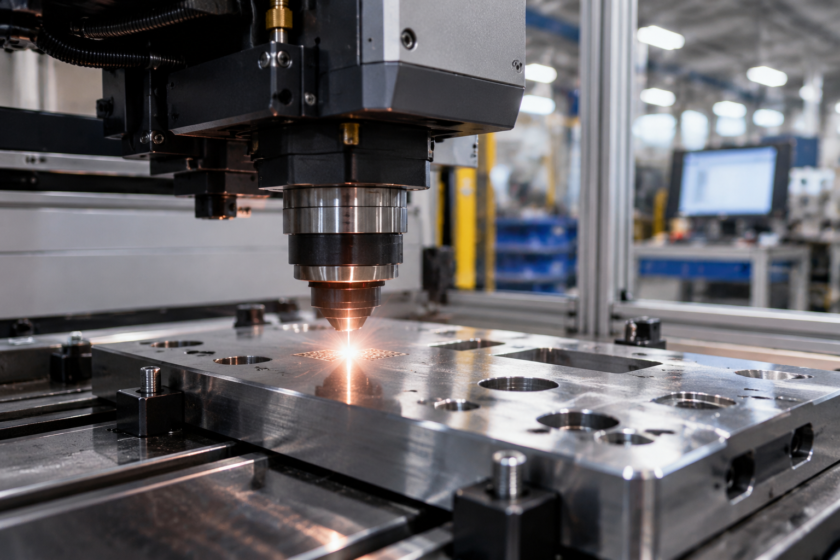
How Industrial Marking Helps Businesses Achieve Better Product Traceability
Accurate product identification is essential for modern manufacturing businesses that need to maintain quality, improve operational efficiency, and manage complex supply chains. From individual components to finished equipment, clear identification helps organizations track products, verify information, and maintain accurate records throughout their lifecycle. As industries continue adopting advanced production systems, industrial marking has become a valuable solution for improving product traceability. By using permanent identification methods, manufacturers can ensure important details remain accessible even in demanding industrial environments.
Table of Contents
- Why Product Traceability Is Important for Modern Industries
- Understanding the Role of Industrial Marking in Product Identification
- Exploring Different Part Marking Methods
- How Industrial Marking Supports Different Manufacturing Sectors
- Selecting the Right Industrial Marking Products
- The Importance of Part Marking
- How Better Identification Improves Manufacturing Efficiency
- Future Developments in Industrial Identification
- Conclusion
Why Product Traceability Is Important for Modern Industries
Product traceability allows manufacturers to follow the journey of a component from production to final application. This process helps businesses maintain better control over inventory, quality inspections, maintenance records, and compliance documentation. In industries where thousands of parts move through different production stages, accurate identification reduces the risk of errors.
A clearly marked component can provide essential information such as:
- Serial numbers
- Production codes
- Manufacturing details
- Safety information
- Batch references
- Tracking data
Reliable traceability systems also help teams respond more effectively when maintenance, inspection, or product verification is required. Instead of relying on manual records, businesses can quickly identify specific components and access relevant information.
Understanding the Role of Industrial Marking in Product Identification
Industrial marking refers to the process of adding permanent information directly onto parts, equipment, or manufactured products. These markings are created to remain readable despite regular handling, environmental exposure, and long-term use.
Unlike temporary identification methods, permanent marking solutions provide businesses with a consistent way to manage product information. The right marking approach depends on factors such as material type, operating conditions, and the level of durability required.
Manufacturers commonly use identification markings for:
- Equipment tracking
- Component recognition
- Quality management
- Asset identification
- Production monitoring
A well-planned identification system connects physical products with important manufacturing data, helping businesses create a more organized and efficient workflow.
Exploring Different Part Marking Methods
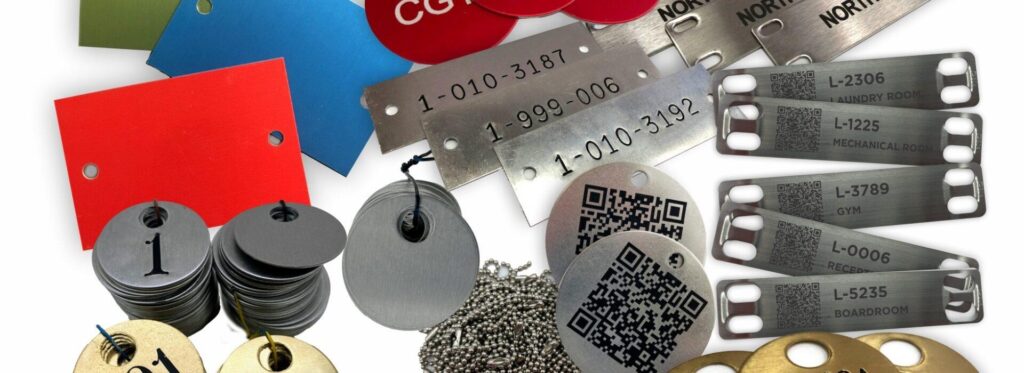
Choosing the right identification technique is an important decision for manufacturers. Various part marking methods are available depending on the application, material, and environmental requirements.
Engraving and Etching
Engraving and etching create permanent marks by modifying the surface of a material. These methods are commonly selected for applications that require long-lasting visibility and resistance to regular wear. They are suitable for industrial components where identification information must remain clear throughout the product’s service life.
Nameplates and Identification Tags
The custom nameplates and tags provide flexible identification options for equipment, machinery, and industrial products. They can display important details, including serial numbers, technical information, warnings, and company identification.
Barcode and Tracking Identification
Many manufacturers combine physical markings with digital tracking systems. Barcode identification allows teams to connect marked components with databases, improving inventory management and information accessibility. Understanding different part marking methods helps businesses select identification solutions that match their production requirements.
How Industrial Marking Supports Different Manufacturing Sectors
Different industries rely on accurate identification to maintain product quality and operational control.
- Automotive Manufacturing: Automotive manufacturers require precise component tracking throughout production and maintenance processes. Permanent markings help connect parts with manufacturing records and support accurate identification.
- Aerospace and Engineering: Engineering industries often require detailed documentation and reliable component tracking. Marked parts help support inspection processes, equipment management, and maintenance planning.
- Electronics Production: Electronics manufacturers work with small and complex components that require accurate identification. Proper marking solutions allow essential information to remain available without affecting product functionality.
- Industrial Equipment: Machinery and equipment manufacturers use identification systems to provide important product details, maintenance information, and tracking references.
Across these sectors, industrial marking products help businesses improve organization, accuracy, and long-term product visibility.

Selecting the Right Industrial Marking Products
Choosing suitable industrial marking solutions requires evaluating several important factors. Every manufacturing application has different requirements based on materials, environment, and information needs.
Businesses should consider:
- Material Compatibility: Different materials require different marking techniques. Metal, plastic, coated surfaces, and specialized materials may need specific identification approaches to achieve clear results.
- Environmental Exposure: Products used in challenging environments may experience moisture, temperature changes, chemicals, or physical contact. The selected marking solution should match the conditions under which the product will operate.
- Information Requirements: Some applications require simple identification numbers, while others need detailed information such as safety instructions, technical specifications, or tracking codes.
- Long-Term Visibility: Identification should remain readable throughout the expected lifespan of the product. Proper planning helps businesses maintain accurate records and avoid information loss.
With experience in industrial identification solutions, Industrial Nameplates helps businesses understand available options for creating effective product marking systems.
The Importance of Part Marking
Manufacturing businesses across Canada operate in diverse industries that require accurate identification and traceability. From equipment manufacturers to specialized production facilities, clear marking systems support better organization and information management.
Part marking helps companies maintain consistent identification practices while supporting quality control and operational efficiency. Canadian manufacturers often require solutions that can perform in different working conditions, including indoor facilities, outdoor applications, and industrial environments.
By implementing appropriate identification methods, businesses can improve tracking processes and create stronger connections between physical products and digital records.
How Better Identification Improves Manufacturing Efficiency
Accurate product identification supports more than simple tracking. It improves communication between production teams, suppliers, maintenance professionals, and customers.
Effective marking systems can help businesses:
- Reduce identification mistakes
- Improve inventory accuracy
- Support maintenance activities
- Simplify inspections
- Maintain better production records.
When products are clearly identified, teams can make faster decisions based on accurate information.
Future Developments in Industrial Identification
Manufacturing continues to evolve with increased automation and digital integration. As businesses adopt smarter production systems, identification solutions will continue to play an important role.
Future trends may include improved integration between physical markings and digital platforms, allowing manufacturers to access product information more efficiently. The combination of permanent identification and advanced data management can help businesses create stronger traceability systems while improving overall production visibility.
Conclusion
Product traceability is a critical part of modern manufacturing, helping businesses maintain quality, improve efficiency, and manage products throughout their lifecycle. By selecting suitable industrial marking solutions and understanding available identification options, manufacturers can create systems that support accurate tracking and better operational control. From choosing suitable part marking methods to evaluating the right industrial marking products, businesses can improve visibility across their production processes. As manufacturing continues to grow across Canada, effective identification solutions remain an important part of maintaining reliable and organized operations.
Frequently Asked Questions
What is industrial marking used for?
Industrial marking identifies products and components using information such as serial numbers, codes, and tracking details to improve traceability.
Why is product traceability important?
Traceability helps businesses monitor products, maintain records, improve quality control, and manage components throughout their lifecycle.
What are common part marking methods?
Common methods include engraving, etching, identification tags, nameplates, and barcode-based tracking systems.
Which industries use industrial marking solutions?
Automotive, aerospace, electronics, engineering, and manufacturing industries use marking solutions for accurate product identification.
How do businesses choose industrial marking products?
Businesses consider material type, environmental conditions, durability requirements, and the information needed for identification.
Looking for professional guidance on product identification and traceability solutions? Visit Industrial Nameplates to browse the location and place an order! Learn more about industrial marking options and discover how suitable identification systems can support your manufacturing requirements.
Advertisement

Services
- What to Know Before Installing Solar Panels on Your Home in Kelowna

- Why Professional Siding Installation Is Essential for Austin Homes

- Construction Management Guide: How Experts Deliver Better Projects

- How Group Benefits Management Improves Employee Benefit Plans

- Stop Pest Problems Fast with the Best Pest Control in Edmonton

- Benefits of a Vehicle Recovery Towing Service in San Diego

- How to Maximize Your Roof Insurance Claim in Austin, TX

- Expert Tips for Choosing the Right Home Window Replacement in San Marcos

- When Do You Need a Professional Flatbed Towing Service?

Health & Shopping
- What to Know Before Installing Solar Panels on Your Home in Kelowna

- How Group Benefits Management Improves Employee Benefit Plans

- Best Supermarket in Anaheim for Fresh Produce and Groceries

- Bring Nature Indoors with a Warm Wood Finish Entryway Table
- From Utility to Outdoor Use: The Best Rope Materials for Every Application

- Best Belts for Men : Elevate Your Style Game